Monday, August 12, 2024

Medicinal Monday - Summer is for Berries - Blackcap Raspberry!

Summer is the season for berries...strawberries, blueberries, raspberries, and the less common blackcap raspberry that most often grows in the wild. At first glance, you might mistake these berries that grow in the western part of the United States as blackberries, but unlike the solid center of a blackberry, the blackcap raspberry is hollow in the center. 


About Blackcap Raspberries

The Rubus family, of which blackcap raspberries are part has more than 2,000 naturally occurring and hybrid types. This shrub-like vine, called Rubus leucodermis has trailing stems (canes) with sharp prickles on it. The bark is red but as it matures, it turns a light bluish color because of a wax-like coating. The ovate-shaped leaves are covered in a soft whitish down and are sharply serrated. The leaves are green on top,  paler green on the bottom, and grow in alternate clusters of 3 and 5 leaflets. 


The crown of this shrub is perennial however, the canes or stems are biennial, and new stems do not produce flowers the first year. In the second year, up to five white to pink flowers form on lateral shoots on the canes. The canes often grow downward and take root and form tip layers that become new plants. As the flowers mature red druplets or berries appear.  When the fruit turns a dark purple they are ripe. In the wild, blackcap raspberries can be found in full sun or dappled in sand, clay, and other types of soil that have poor drainage. They can be found growing as far north as Alaska, down through California, and east to Utah and Montana. You will find them at the edge of mixed evergreen forests, and in rocky and open places growing up to six feet.

Culinary Uses
Who can resist a ripe delicious berry any time of year? Many Native American communities and the First People of Canada, traditionally ate the berries raw, dried them for use in the winter, made tea or a beverage from them, cooked them into jams, and put them in stews. Sometimes the berries were mashed and dried in square frames and stored for winter. Some Indigenous communities ate the young leaves and sprouts. One other interesting use of this shrub was to make a purple-reddish dye from the berries.


Medicinal Uses
The most common use of this plant was to make an infusion of leaves and the root and take it for an upset stomach and to treat diarrhea. Traditionally the Shoshoni made a poultice of the stems and applied a powderlike mixture to wounds and cuts. The Thompson made an infusion of the roots and drank it to treat coughs, colds, and influenza.


Did You Know...
They were introduced for sale by David Douglas in 1829.

Blackcap raspberries have a high concentration of antioxidants, including ellagic acid that has been associated with the death of cancer cells in lab tests.

Other names for this plant include whitebark raspberry, blue raspberry, thimbleberries, and western raspberry.

The flowers attract hummingbirds, butterflies, bees, and other pollinators. The fruit is eaten by birds and many small mammals.

Monday, August 5, 2024

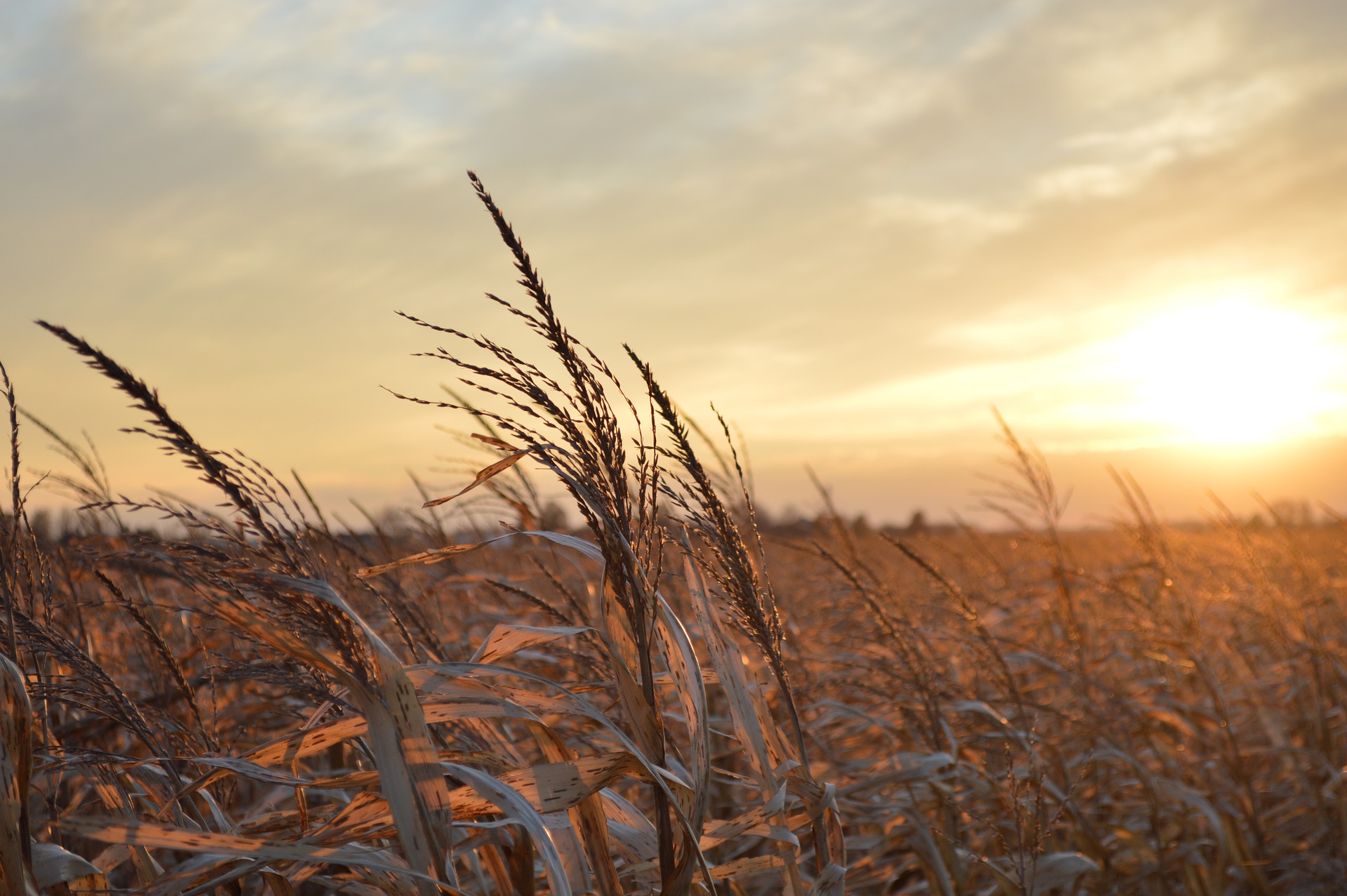
Medicinal Monday - Corn is Good for More than Eating!

Corn was cultivated through the centuries by Native Americans. Eventually, it became a staple food in many Native American diets. Corn continues to play a central role in the arts, culture, health, and lifestyle of many Native Americans, nationwide, today. Many tribes hold special ceremonies such as the Green Corn Festival which gives thanks when the corn first ripens and can be eaten by the tribe. Corn was also used medicinally in a variety of interesting ways. The Insitute for American Indian Studies is holding its annual Green Corn Festival on August 11 from 1 p.m. to 4 pm @ Hollow Park, off Rte. 6 in Woodbury.

About Corn

Scientists believe that people living in central Mexico developed corn at least 7000 years ago. It started from a wild grass called Teosinte whose kernels were small and not fused together like the husked ear of modern corn. Also known as maize, the best plants for eating were systematically collected and cultivated.  The first maize was a few inches long with only eight rows of kernels but through systematic selective cultivation, cob length and size continued to grow.

Maize along with beans and squash did not reach southern New England until 1,000 years ago or so. Native Americans in New England planted corn in fields close to their wigwams.  Corn and beans were planted together in raised piles of soil. The beans supported the cornstalk and fertilized it with atmospheric nitrogen as they climbed the stalks. Squash was planted between the mounds and helped to keep insects, raccoons, and other wild animals at bay. The large leaves of the squash also shaded the ground and kept the soil moist. The three crops complemented each other both in the field and in their combined nutrition and were referred to as the three sisters.

Corn in New England
Many Native American traditions, stories, and ceremonies surround corn.  In New England, maize is described as a gift of the creator; in several stories, a crow or blackbird delivered kernels of maize and beans to the tribes of the Eastern Woodlands, while other Algonquian stories also recount maize being brought by a person sent from the Great Spirit as a gift of thanks. Each year in August the Institute for American Indian Studies holds a Green Corn Festival with dancers, drummers, food, and educational activities to honor corn.


Medicinal Uses of Corn
Although corn was a staple that many Native American communities relied on as an important source of food and nutrition, corn was also used medicinally. The Western Keres ate the pollen as medicine. The Mohegan made a decoction of dried cobs and used them as a wash for the poison ivy rash. The Navajo made a poultice of the plant and applied it as ceremonial medicine for sore throats. The Tewa mixed cornmeal and water and used it for palpitations and pain. They also would rub a warm ear of corn on swollen glands. Many Native American communities used the tassel of silk on an ear of corn to treat urinary conditions. Corn was also used as a diuretic and mild stimulant. Many communities made an emollient poultice of cornmeal and used it to treat ulcers, swellings, and rheumatic pain. Parched corn was given to treat vomiting and nausea.


Did You Know...
Modern corn silk supplements are used to help prevent urinary tract infections and kidney stones.

Corn is the only native American grain, cultivated by Central American Natives for more than 7,000 years before it migrated north where it became part of the "three sisters" - corn, beans, and squash, a staple of Native American agriculture.

Corn is considered to be a wild grass and the corn kernels are the plant's seeds, while the ear or cob makes up part of the flower.

Corn's scientific name is Zea mays.

Some countries call corn, maize, a word that came from the word Mahiz in the Arawak language of Haiti.


Monday, July 29, 2024

Celebrate the Green Corn Festival in Woodbury Institute For American Indian Studies August 11

The Institute for American Indian Studies, located in Washington, CT, is holding its 19th annual Green Corn Festival on Sunday, August 11th from Noon to 4:00 pm at Hollow Park, 43 Hollow Road, in Woodbury This festival gives visitors a glimpse into Native American life and traditions. 


Corn is an integral part of the annual lifecycle of Native American people who have welcomed the season when corn ripens with a celebration for centuries. In recognition of this time-honored tradition, join IAIS Museum Staff as they welcome the first corn of the summer 2024 season with flute music by Allan Madahbee (Ojibwe), drumming, children’s activities curated by the Institute’s staff like making corn husk dolls to take home, and traditional stories told by a professional Native American Storyteller. 


For shoppers and collectors, don’t miss the vendors that are selling Native American-inspired arts and crafts at a variety of price points. All the festivities are taking place in a conveniently located park just off of Rte. 6 in the heart of Woodbury with plenty of free parking. Cash is recommended for on-site purchases. 


If you have always wondered what Indigenous food tastes like, you will be able to try some authentic Native American cuisine and more at the Green Corn Festival. Jason Cogswell Lamb, Schaghticoke, of Mashquanon’s Wetu will be cooking up some of his favorite contemporary and traditional Indigenous cuisine sure to delight the palette. A variety of other food trucks will be on-site, as well, providing a plethora of options including Latin American cuisine, hot dogs, and ice cream. 


The annual highlight of the Green Corn Festival is the Native Nations Dance Troupe led by Erin Meeches, from the Schaghticoke Tribal Nation. Each dance performed has an uplifting and unique story or purpose. Some use movements that imitate animals and others represent an aspect of cultural significance.  
These traditional dances are sure to delight because they evoke the beauty, honor, and tradition of Native People. A Native American drum group will accompany the dance troupe, accompanying to the performances, which will take place at 1 p.m. and 3 p.m. 

Admission for this event, held rain or shine, is $15 for Adults, $10 for seniors, $5 for children and IAIS Members, and free for members’ children. Pre-registration is greatly appreciated, click here to register https://iaismuseum.charityproud.org/EventRegistration/Index/13017

 About Green Corn 
The expression “Green Corn” refers to the first ripened sweet corn that you can eat. The Green Corn Ceremony is marked with dancing, feasting, fasting, and religious observations. In the Eastern Woodland areas, Native people depended on three staples – corn, beans, and squash. These food items were so important that they were called “The Three Sisters.” The Three Sisters were mixed together to make a vegetable dish called succotash that is still popular today. 

About the Institute for American Indian Studies 
Located on 15 acres of woodland acres the Institute For American Indian Studies preserves and educates through archeology, research, exhibitions, and programs. They have the 16th c. Algonquian Village, Award-Winning Wigwam Escape, and a museum with temporary and permanent displays of authentic artifacts from prehistory to the present allows visitors to foster a new understanding of the world and the history and culture of Native Americans. The Institute for American Indian Studies is located at 38 Curtis Road, Washington, CT.

Medicinal Monday...White Fir Tree

Abies concolor or the White Fir tree is native to the mountains located in the western part of the United States. It can be found from Oregon down through California and south to New Mexico and Arizona. White Fir trees have been planted in New England and can sometimes be found growing in the wild in Maine, Vermont, and Massachusetts; it is not found in the wild in Connecticut or Rhode Island. Native American communities in the western part of the United States found several interesting medicinal uses for this beautiful tree that can live up to 300 years.


About White Fir Trees

The White Fir tree is an evergreen with a narrow pyramidal shape. It can grow up to 125 feet tall in full sun or partial shade. The citrus-smelling needles are one to three inches long and are light blue or silver. The cones grow upright on this tree and change color as they mature from purple to olive green, and when mature, a shiny brown color. As the cone comes apart, it releases tiny winged seeds. The bark of the young white fir tree is smooth and light grey in color, as the tree matures the bark develops furrows that sometimes reveal its orange-yellow periderm that looks like cork. It is called concolor because of the uniformity of the color of this tree's needles.

Medicinal Uses

Some of the most common uses of the White Fir tree were to warm the pitch and apply it to boils and sores, and to make tea from the boiled bark to treat tuberculosis. Tea was also made from the needles and taken to treat coughs and colds. In addition to these uses, the Keres made an infusion of the needles and put them in a warm bath to treat rheumatism. The Pauite made a poultice from the fresh pitch and applied it to cuts, they also made a compound decoction of resin and took it to treat venereal disease. The wood and twigs of this tree are used to make pipe stems and the bark is used to tan buckskin.

photo  M.Gajic
Did You Know...

The White Fir tree is a popular Christmas tree. As of 2019, it was chosen twice for the White House Christmas tree.

The saplings and new foliage are eaten by deer, squirrels, and porcupines.

Owls and Bald Eagles often nest in this fir tree.

The trunk cavities and hollow logs provide shelter for porcupines, weasels,  and black bears.

Other names for this tree are Balsam Fir, Rocky Mountain White Fir, White Balsam, and Silver Fir.

Monday, July 22, 2024

Medicinal Monday - Curl Leaf Mountain Mahogany

Most of us consider mahogany a tropical hardwood tree that can be found in Jamaica, Cuba, Mexico, Venezuela as well as in other countries in this general area. Curl Leaf Mountain Mahogany, or Cercocarpus ledifolius is a North American species of mountain mahogany and is not considered a true mahogany whose trees are in the Meliaceae family. Curl Leaf Mountain Mahogany belongs to the Rosaceae or rose family. This tree traditionally had both medicinal and practical uses among many Native American communities.

photo credit Jason Hollinger

About Curl Leaf Mountain Mahogany

This North American species of mahogany can be found in much of the Western part of the United States. It prefers to grow at high elevations that are up to 9.800 feet in well-drained sandy soil and is often found on low mountains and slopes. This tree with large dense branches that grow on one to four main trunks has lance-shaped dark green leaves with curled edges that can grow up to 36 feet high. The tan-colored plume-like tubular-shaped flowers grow in groups of three and are covered in tan hairs. The flower's stigma remains attached to the seed giving the seed the appearance of having a fuzzy tail.

photo credit - Matt Lavin
Practical Uses

Many Native American communities used the wood of this plant to make small items such as bows, spearheads, and special sticks for digging roots. A rose-colored dye was also made from the bark and used decoratively.

Medicinal Uses

One of the most common uses medicinally of this tree was to make tea from the bark to treat colds and other pulmonary illnesses as well as venereal disease. Research has shown that the bark was dried for up to two years before being made into tea. Another use of the dried bark, which was either pounded into a powder or made into a paste was in the treatment of sores, cuts, burns, and wounds. In addition to this, a decoction of the bark was used to treat stomach troubles as well as a wash for dry eyes. Specifically, the Gosiute, Shoshoni, and Paiute charred the wood, ground it into a powder, and applied it to burns. The Kawalisu dried the leaves and used this mixture to treat earaches. The Paiute made a decoction to treat diarrhea and also took it as a blood tonic. They also made a decoction of the leaves to treat coughs, colds, and heart trouble. The Shoshoni made a compound infusion of scraped bark for children with diarrhea; they also made a poultice of leaves and bark and applied the mixture to bring down swelling. The Shoshoni also made a decoction of the inner bark and used it as a wash for eye trouble.

Matt Lavin
Did You Know...

Deer eat the leaves of this tree year-round. 

This tree grows very slowly and can take up to 100 years to reach its full height.

The oldest tree specimens of this genus are thought to be 1,350 years old.

The wood of curl-leaf mountain mahogany is so hard and dense that it won't float.

Because this is a slow-burning wood it was the wood of choice in the 19th century manufacturing of smelting ores. 

The Greek name for this tree means "tailed fruit."


Monday, July 15, 2024

Medicinal Monday...Great St. Johnswort

Great St. Johnswort or Hypericum ascyron is a large yellow showy flower that blooms for about three weeks in July and August. This flower can be found in Connecticut.  Its golden yellow petals are an important source of food for many different pollinators. Many Native American communities found interesting uses for this bright and beautiful plant.

Photo: Alspdake
About Great St. Johnswort

This showy plant in the Mangosteen Family is native to America's Northeast and Midwest. It is characterized as a stout, erect perennial that grows up to six feet. It has large elliptic leaves with no teeth and beautiful golden-yellow flowers.  These yellow flowers have five petals and can be identified by their bushy stamens. Ovate green leaves grow on light green stems on the upper third of each plant. Each plant can have up to five flowers that are rather floppy and have about 100 yellow stamens and a light green pistil. The flowers are replaced by a large black capsule that contains several seeds. Great St. Johnswort spreads by rhizomes and grows in large colonies. it prefers sun and moist soil and can be found in marshes, meadows, and fields.

Photo: Lumaca
Medicinal Uses

Great St. Johnswort and St. Johnswort have a long history with healers. The most common use of this plant was to treat  Tuberculosis. Many communities made a compound containing the root and gave it to people with symptoms of consumption and to those who have weak lungs. The Menominee used a compound of the root mixed with blackcap raspberry roots to aid kidney trouble. The Meskwaki made a powder from the boiled root of this plant and used it to draw poison from the bite of a water moccasin.

Photo: Alspdake
Did You Know...

This plant can cause skin irritation and its foliage is toxic to some animals.

Great St. Johnswort is pollinated by bumblebees.

It is named St. Johnswort because it flowers in the summer and is harvested in mid-summer near the feast of St. John the Baptist.

Wednesday, July 10, 2024

Learn How to Weave with Natural Fibers @ the Cordage Creation Workshop July 20th

Traditionally Native Americans demonstrated an impressive understanding of the best ways to use things found in our natural surroundings. Before the advent of manufactured plastic twist ties, rope, and chains, one of the most useful things created by Native American communities was cordage. They made cord by weaving together two or more natural fibers that were used for everything from fishing lines and netting to making shelters, mats, baskets, and even ceremonial items and jewelry. On Saturday, July 20 at 1 p.m., the Institute for American Indian Studies located on 38 Curtis Road in Washington is hosting a Cordage Workshop. 


Participants will join IAIS educator and ecologist, Susan Scherf for an exciting workshop where they will learn about various plant fibers that can be twisted and plied together to make cordage. It is an ancient traditional process that has not changed very much over the centuries. A highlight is to learn about local woodland ecology and traditional Indigenous plant use including those that can be used to make cordage 

After watching a demonstration of how to use locally sourced plant fibers to make cordage, you can try your hand at weaving your very own creation. You may choose to weave a bracelet, necklace, or rope, and embellish your creation with a river stone, shell, or piece of wood. Best of all, you will be able to take your creation home. 

The price of participation that includes materials is $15 for non-members and $5 for members. Pre-registration is requested https://iaismuseum.charityproud.org/EventRegistration/Index/19363 If you have questions email events@iaismuseum.org or call 860-868-0518. 


About The Institute for American Indian Studies
 Located on 15 acres of woodland acres the Institute For American Indian Studies preserves and educates through archeology, research, exhibitions, and programs. They have a 16th c. Algonquian Village, Award-Winning Wigwam Escape, and a museum with temporary and permanent displays of authentic artifacts from prehistory to the present allows visitors to foster a new understanding of the world and the history and culture of Native Americans. The Institute for American Indian Studies is located at 38 Curtis Road, in Washington, Connecticut.